Cost-Effective Cleanroom Sandwich Panel Solutions for Automotive Paint Booths and Battery Assembly Lines
The automotive industry's transformation toward electric vehicles and advanced driver assistance systems has dramatically increased the demand for cleanroom environments in manufacturing. From paint booths to battery assembly lines, automotive facilities need contamination control that meets quality standards without breaking the budget. For project managers, finding sandwich panels that deliver both performance and value is the key to successful automotive cleanroom projects.
Cleanroom Requirements Across Automotive Manufacturing Processes
Different automotive manufacturing processes demand different levels of contamination control. Paint booths require ISO Class 7 or 8 environments to prevent surface defects in finish coats. Battery assembly areas need controlled humidity and particulate levels to ensure cell reliability. Electronics integration zones demand protection from particles that could affect sensor and camera performance in ADAS systems. Each application has unique requirements that influence Clean Room PUF Sandwich Panels Factory selection.
Understanding these varying requirements across the manufacturing process allows project managers to optimize their investment. Not every area needs the same level of panel performance. By mapping cleanliness requirements to specific production zones, you can specify clean room wall panels cost that match each area's needs precisely, avoiding over-specification in low-risk zones while ensuring premium performance where product quality depends on it.
Cost-Effective Panel Solutions for Automotive Applications
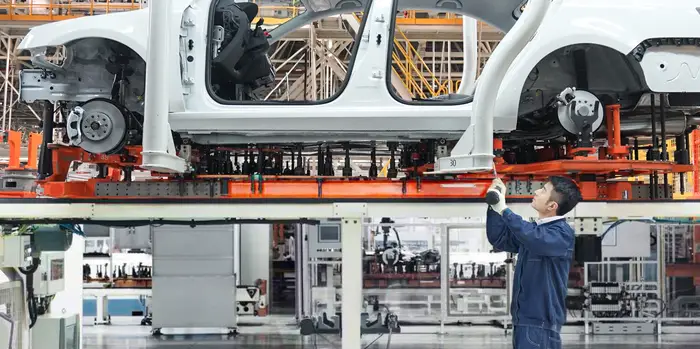
The cleanroom wall panels manufacturers have become the go-to solution for automotive cleanrooms because they offer an excellent balance of performance, durability, and cost. PUF cores provide good thermal insulation for temperature-controlled areas, while steel face sheets deliver the smooth, cleanable surfaces that automotive quality standards require. The manufacturing efficiency of sandwich panel production translates directly into cost advantages for the project budget.
For paint booth applications, fire-rated panels with rockwool cores are typically specified to meet the fire safety requirements of solvent-containing environments. The sandwich panel wall factory approach to paint booth panel specification balances fire safety, cleanroom performance, and cost by selecting the right core material and face sheet combination for each application. Standard-sized panels in high-volume areas and custom pieces only at complex intersections optimize both material costs and installation time.
Strategies for Maximizing Value in Automotive Cleanroom Projects
Standardization is the most powerful cost-saving strategy in automotive cleanroom construction. By standardizing panel dimensions, joint details, and finish specifications across the facility, project managers reduce fabrication costs, simplify installation, and streamline spare parts inventory. Work with cleanroom wall panels cost who offer flexible standardization — allowing you to benefit from standard panel economics while accommodating the unique geometries that automotive manufacturing layouts sometimes require.
Phased construction offers another value optimization strategy. Build the highest-priority production areas first, then expand as capacity demands grow. Modular cleanroom wall panels cost systems support this approach naturally because expansion sections match the original construction exactly. The key is designing the initial layout with clear expansion interfaces and pre-routing utilities to future expansion areas during the initial construction phase. This forward planning eliminates the costly utility modifications that often complicate traditional construction expansions.
Cost-effective cleanroom solutions for automotive manufacturing are achievable when project managers understand the varying requirements across different production processes and select panel systems that match each area's needs. By standardizing specifications, phasing construction strategically, and choosing the right panel technology for each application, automotive cleanroom projects can deliver excellent performance within realistic budgets.