Hygienic Cleanroom Panel Systems for Food Processing: Meeting FDA and EU Food Safety Standards With the Right Wall Solution
Food and beverage processing facilities around the world are adopting cleanroom practices to meet increasingly stringent food safety regulations and consumer expectations. The wall panel system you choose forms the foundation of your facility's hygiene program, and for project managers, selecting clean room panels that meet FDA and EU food safety standards while delivering long-term operational performance is a decision with lasting consequences.
FDA and EU Food Safety Requirements for Cleanroom Surfaces
Both FDA regulations and EU food safety standards (particularly EC Regulation 852/2004) require that food processing surfaces be smooth, washable, non-toxic, and resistant to moisture and chemical cleaning agents. These requirements apply not just to food contact surfaces but to the walls and ceilings of processing environments. The cleanroom panel manufacturer you specify must demonstrably meet these requirements through material certifications and test data that satisfy regulatory auditors.
The EU standards add specific requirements for surfaces to be "kept in good repair" and constructed of materials that "can be cleaned and disinfected." This means panels must maintain their surface integrity over years of regular washdowns without cracking, peeling, or developing harborage points for bacteria. Working with clean room wall panels who provide comprehensive food safety documentation — including migration test reports and surface durability certifications — simplifies the regulatory compliance process considerably.
Panel System Design for Hygienic Performance
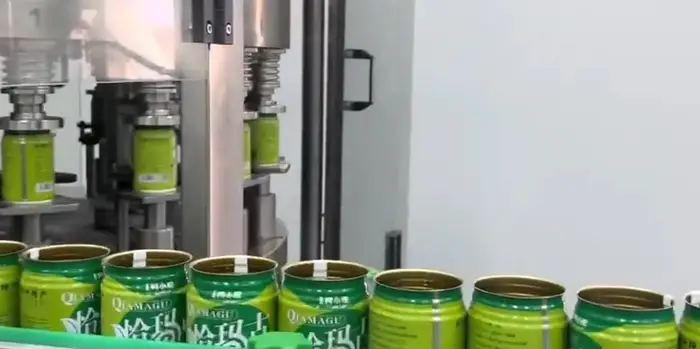
The hygienic performance of a cleanroom panel system depends on details as much as materials. Flush joints, coved corners, and sealed penetrations create continuous surfaces that prevent bacterial harborage and facilitate effective cleaning. The cleanroom wall panels approach to food cleanroom design prioritizes these hygienic details at every junction, creating an environment that supports the HACCP principles that modern food safety management is built upon.
Material selection for food processing areas should consider the specific operational conditions. Cold storage areas need panels with excellent insulation properties and moisture resistance. Cooking and processing zones need panels that tolerate high-temperature washdowns and chemical cleaning agents. Packaging areas may have less demanding requirements but still need smooth, cleanable surfaces. The clean room panel material strategy of zoning panel specifications by operational area optimizes both hygiene performance and project cost.
Long-Term Operational Considerations
The true cost of cleanroom panels extends far beyond the initial purchase price. Consider the lifecycle costs: energy consumption influenced by panel insulation properties, maintenance frequency determined by surface durability, and reconfiguration costs as processing needs evolve. Food and Beverage panel systems with modular features offer significant lifecycle advantages because they can be reconfigured without replacement, extending their useful life and reducing total ownership cost.
Sustainability is an increasingly important consideration in food facility construction. Panels with environmentally responsible core materials, low-VOC surface coatings, and long service lives contribute to the sustainability goals that major food brands are setting for their operations. The fiberglass reinforced wall panel you choose should align with both food safety requirements and the broader sustainability objectives of the food industry.
Hygienic cleanroom panel systems for food processing must meet the highest standards of food safety while delivering practical performance in demanding operational environments. By selecting panel systems designed for hygienic performance, paying attention to the details that matter to food safety auditors, and considering the full lifecycle cost, project managers can deliver food processing facilities that meet regulatory requirements and operational needs for decades.