Prefabricated Cleanroom Panels for Food Processing: Meeting HACCP Standards Without Construction Delays
Food Safety Regulations Demand Faster Cleanroom Deployment
Food and beverage manufacturers operate under intensifying regulatory scrutiny, with HACCP audits and third-party certification inspections arriving on shorter notice than ever before. When a processing line requires a new controlled environment to meet updated contamination thresholds, the construction timeline becomes a critical path item that delays compliance. Prefabricated cleanrooms address this pressure by delivering factory-finished wall and ceiling assemblies that install in days, allowing production teams to resume operations within the same week rather than waiting months for conventional builds.
Unlike pharmaceutical or semiconductor environments, food processing cleanrooms must withstand aggressive washdown protocols including high-pressure hot water, caustic detergents, and chlorine-based sanitizers applied multiple times per shift. Modular clean room panels specified for food applications require IP65-rated sealed joints, coved floor transitions, and face materials that resist corrosion from lactic acid, citric acid, and fatty acid exposure. Standard cleanroom panels designed for dry environments fail rapidly under these conditions, creating surface defects that harbor Listeria and Salmonella biofilms.
Plant managers evaluating a modular clean room for sale should prioritize suppliers who provide documented washdown cycle testing data. Panels validated against 2,000 or more high-pressure wash cycles at 80 degrees Celsius with pH 12 detergents offer confidence that the installation will maintain surface integrity through years of daily sanitation without premature replacement costs.
Engineering Sandwich Panel Wall Systems for Washdown Environments
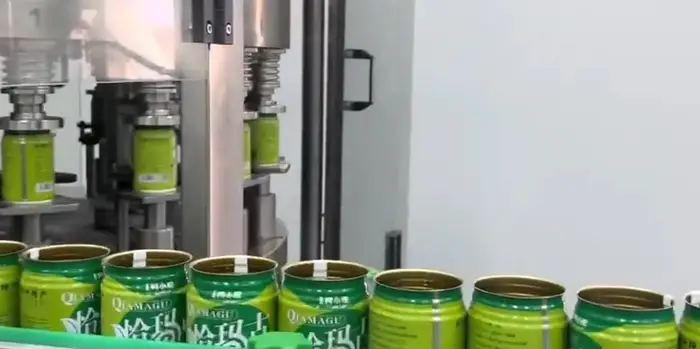
The sandwich panel wall system has become the industry standard for food-grade controlled environments because it combines structural rigidity with the smooth, impervious surfaces that hygiene protocols demand. PIR or mineral wool cores between stainless steel or PVC-coated galvanized faces provide thermal insulation for chilled processing zones while maintaining the non-porous finish that prevents bacterial colonization. The tongue-and-groove joint profile with food-grade silicone sealing creates a continuous barrier that survives thermal cycling between hot washdown and cold production temperatures.
For facilities requiring temporary or seasonal controlled environments, portable cleanrooms offer a flexible alternative to permanent construction. Processing plants handling seasonal produce or running limited-batch specialty products can deploy portable units for peak periods and relocate them when production priorities shift. This approach avoids the capital commitment of permanent construction for capacity that is only needed three or four months per year.
Modular environmental labs within food manufacturing facilities serve a distinct but related function: housing microbiological testing equipment, sensory evaluation stations, and quality control instrumentation in controlled conditions separate from the production floor. These smaller enclosures benefit from the same panel technology as full production cleanrooms but require tighter integration with laboratory-grade HVAC, including dedicated exhaust for chemical fume extraction and positive pressure cascades that protect sensitive analytical instruments from production area contaminants.
Procurement Strategy and Installation Best Practices
When sourcing modular cleanroom components for food processing, procurement teams should verify that all materials carry FDA 21 CFR compliance documentation or equivalent food-contact certification. Panels manufactured with recycled content or non-food-grade adhesives may pass initial visual inspection but introduce contamination risks that surface only during third-party audit swab testing. The cost premium for certified food-grade materials is negligible compared to the financial exposure of a product recall triggered by environmental contamination.
Installation sequencing in active food plants requires coordination with production schedules to prevent cross-contamination during construction. Modular panels offer a decisive advantage here: because components arrive factory-finished, on-site work is limited to mechanical assembly rather than cutting, grinding, and painting that generate particulate contamination. A well-planned modular installation in an operating food plant can be completed during a single weekend shutdown, whereas traditional construction would require a full production halt of two weeks or more.
Long-term maintenance planning should include annual joint inspection and gasket replacement schedules. Even the best sandwich panel wall system degrades at sealant interfaces after years of thermal shock and chemical exposure. Proactive maintenance programs that reseal joints on a three-year cycle extend panel service life beyond fifteen years, protecting the original capital investment and maintaining HACCP compliance without costly emergency repairs during peak production seasons.