Transporting and Assembling a Satellite Integration Cleanroom
Start at the delivery route
Measure the largest fixture and its handling equipment, then trace the route from unloading to final position. Check doors, turns, floor capacity and overhead obstructions. Module dimensions should follow both the room function and the transport path. A factory-complete enclosure is useful only if it can be delivered and connected without exposing delicate finishes to avoidable damage.
Detail the joints before shipment
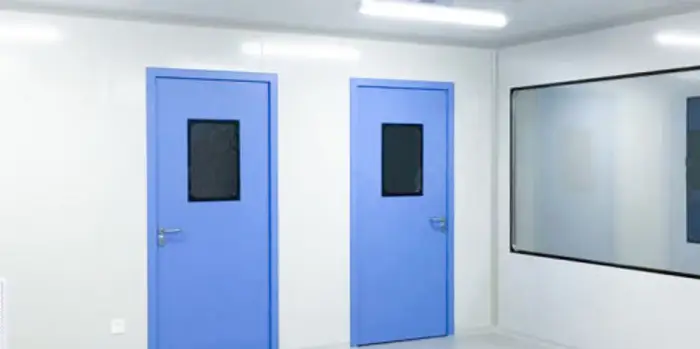
Show how walls, ceiling, floor and services reconnect on site. Assign protection, lifting and temporary weather control to named parties. Agree which seals are installed in the factory and which are completed after the modules meet. Ask the structural designer to review lifting and support assumptions for the actual route; a modular label is not an engineering calculation.
Accept a room rather than boxes
Inspect transport damage before closing joints, then document completed interfaces and the agreed environmental checks. Retain as-built drawings and replacement references. A useful handover describes how large fixtures will leave the room for repair without sacrificing the enclosure's controlled boundary.
## wonclean.com
From route survey to assembly release
The route survey should record unloading position, crane reach where relevant, door and corridor dimensions, floor-loading restrictions and temporary storage. Measure the shipped module including protective packaging and lifting hardware. A design that fits the final room but not the site approach will incur dismantling or rework at the worst moment. Large aerospace fixtures require the same check for their later entry and removal, so transport planning cannot stop when the building modules have arrived.
During assembly, maintain a register of joints and service connections with inspection hold points. Check alignment and damage before applying final seals or closing access panels. Where the assembled cleanroom depends on a pressure scheme or airflow pattern, the responsible designer should define the site tests and acceptance basis. The public claim of a transportable system should be supported by drawings and a completed site record, not by treating factory completion as the end of the job.
Before shipment, agree who signs off transport protection and who may authorize repair of damage at the destination. Photographs at packing, arrival and assembly provide a clear record. These handoffs matter because a damaged seal or misaligned joint can be hidden after the modules are joined. One named coordinator should manage the transition between transport, rigging and clean installation. Without that handoff, damage can be blamed on the previous phase and repaired without an agreed method. Record the condition at each transfer and keep the protection in place until the receiving team accepts it.