Delivering Cleanrooms Worldwide
Home / Solutions / PAC · Case Study
PAC · Case Study

Iraq 28 m² Containerized Crude Oil Laboratory

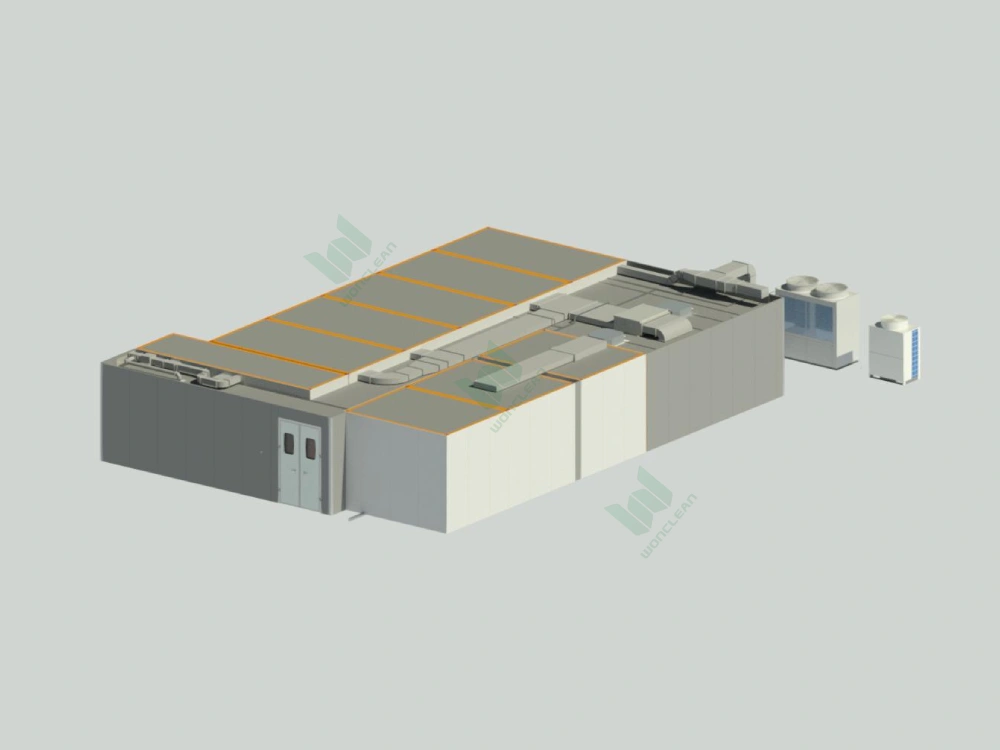
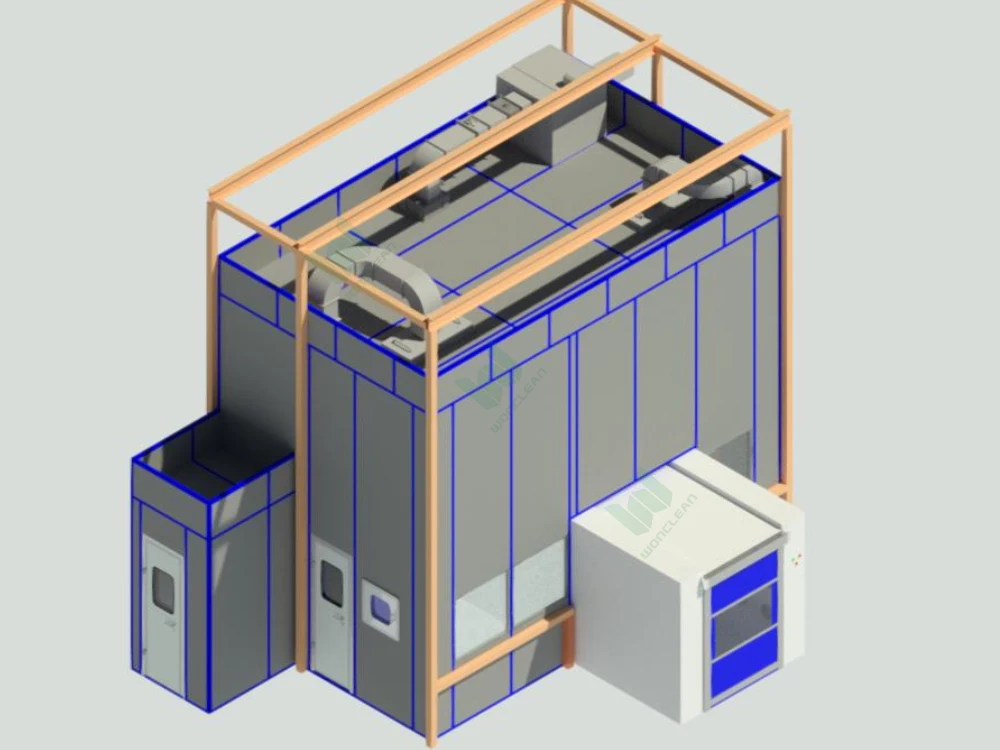
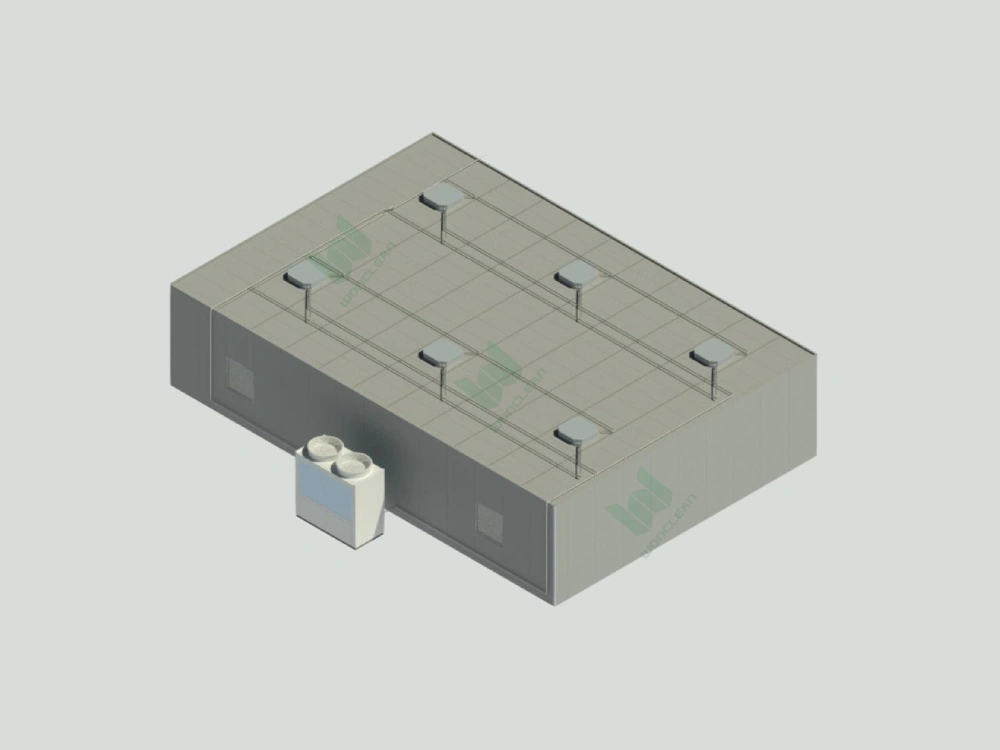
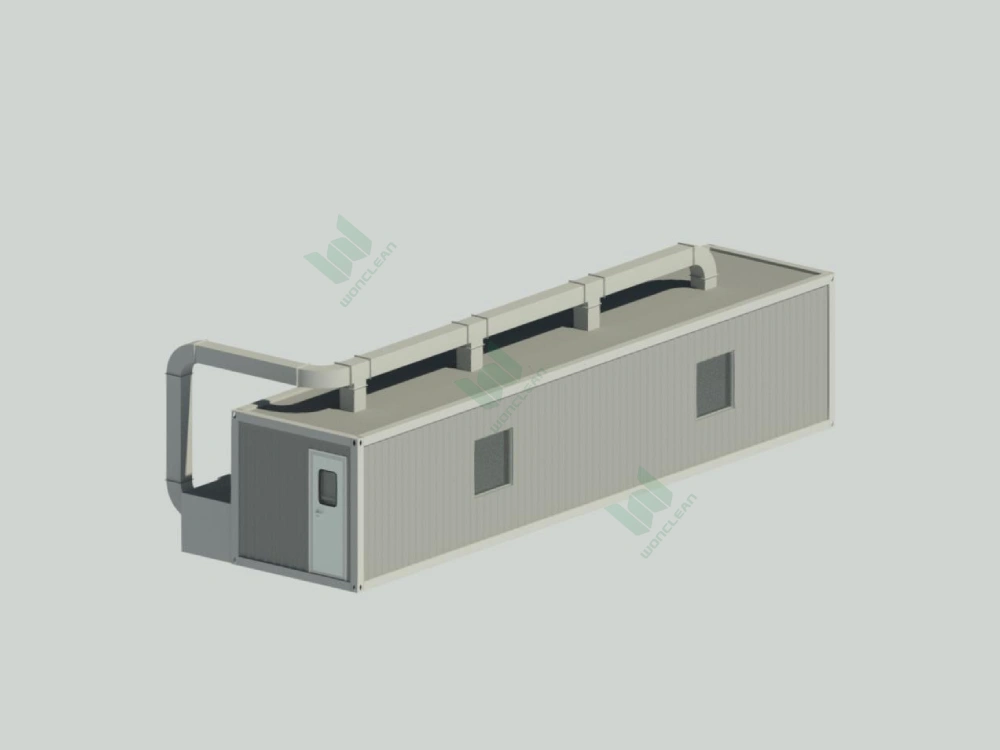
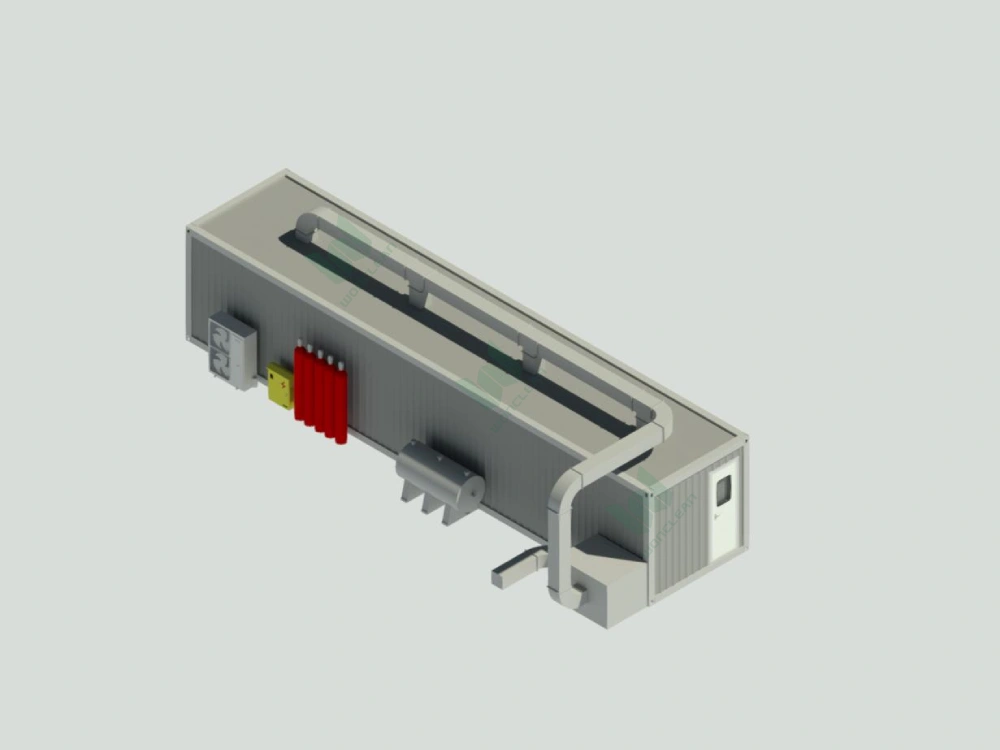
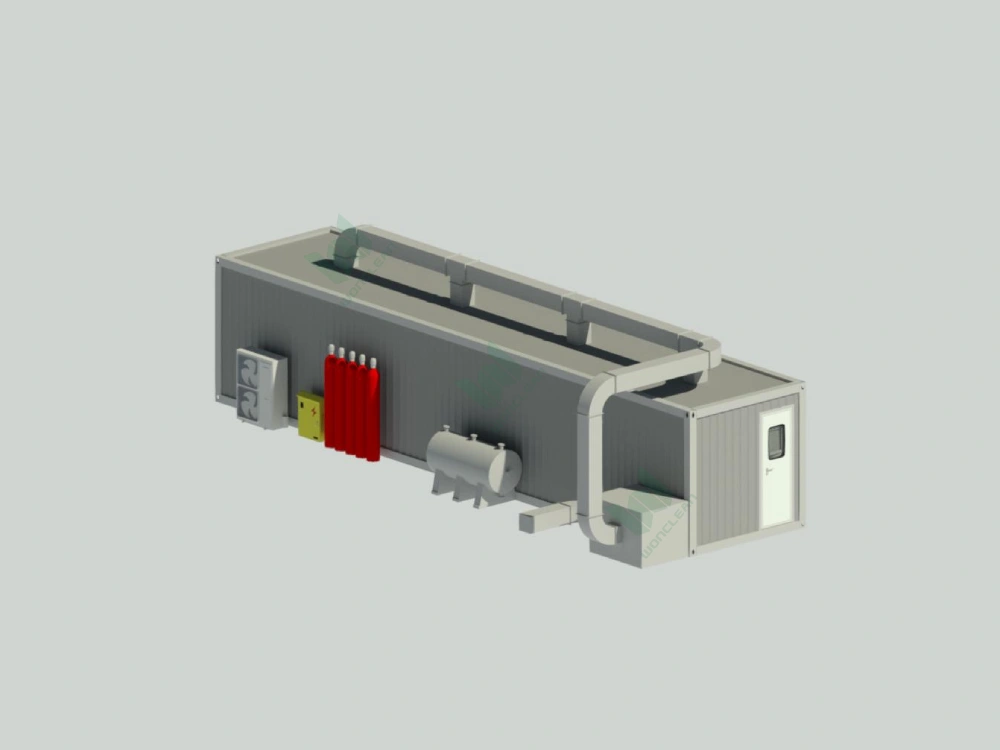
Delivered to Iraq in 2025, this 28 m² PAC laboratory integrates crude oil testing functions within a 40-foot container.

Explore this application

This project delivered a 28 m² crude oil testing workspace to Iraq in 2025 within a 40-foot container. The client needed laboratory functions integrated into a transportable enclosure for international shipment and rapid deployment. A PAC containerized laboratory format brought the enclosure and core services together before site installation. The scope included the container structure and ceiling, laboratory HVAC and filtration, lighting, electrical systems, automation, monitoring, commissioning, and validation. Unlike the other cases in this portfolio, no cleanroom classification was specified for this project, so none is claimed here. The recorded delivery period was one month. This shipping container laboratory illustrates how a modular laboratory can provide a defined testing workspace where a conventional building extension may be impractical. The public information does not specify the test methods, instruments, hazardous-area rating, or utility capacities; those details would require separate project documentation.

Iraq 28 m² Containerized Crude Oil Laboratory
28 m² Controlled area
1 month Delivery
No requirement Cleanroom class
01
THE CHALLENGE

Working Around Real Project Constraints

Integrate crude oil laboratory functions within a 40-foot container for international transport and rapid site deployment.

02
THE SOLUTION

Engineered for the Process

A pre-assembled 40-foot PAC container laboratory integrated a 28 m² crude oil testing workspace for deployment in Iraq.

SCOPE OF DELIVERY

A Coordinated Cleanroom Package

The project package was coordinated as a complete system, keeping architectural, mechanical and controls interfaces aligned from design through qualification.

  • 0140-foot container enclosure and ceiling for a 28 m² crude oil testing laboratory
  • 02Laboratory HVAC and filtration systems
  • 03Lighting, electrical, automation and monitoring systems
  • 04On-site installation, commissioning and validation
APPLICATION & SELECTION

Planning a Containerized Crude Oil Testing Laboratory

For a similar laboratory, start with the test methods and instruments: they determine the working layout, service demand and chemical-hazard review.

Planning guidance for similar projects. The project snapshot and delivery scope above describe this case; the considerations below help define a new project brief.

Describe the testing workflow

List sample containers, daily throughput, preparation steps, instruments, chemical storage and waste collection. Map the space needed to receive a sample, perform the selected tests and retain or dispose of it. Instrument access and operator movement should be reviewed before the container layout is fixed.
Design ventilation around the chemicals

Review safety data sheets and test procedures to determine exposure controls and any local exhaust needs. Chemical-laboratory ventilation must be considered together with room HVAC, including replacement air and discharge arrangements. Select and verify protective equipment for the actual work rather than treating comfort cooling as the complete solution.

Resolve location and utility requirements

Identify electrical supply, instrument services, drainage or waste handling, external conditions and equipment access. Where flammable atmospheres may occur, a competent review should determine area classification and equipment suitability under the applicable rules. A container format or the words crude oil laboratory do not establish an explosion-protection rating.

DEFINE YOUR REQUIREMENTS

What to share for a similar project

Use these inputs to discuss the layout, interfaces and delivery scope with our team.

Explore pre-assembled (PAC) solutions
  • Test methods, instruments and sample-handling workflow
  • Substances used and the project-specific hazard assessment
  • Ventilation/exhaust and laboratory utility requirements
  • Transport route, lifting access and prepared site conditions
  • Instrument installation, testing and handover responsibilities
PROJECT QUESTIONS

Planning a containerized crude oil laboratory

Is this published laboratory explosion-proof?

The case does not claim an explosion-protection rating. For a new oil-testing laboratory, the substances, release scenarios and location assessment determine the electrical protection approach. Confirm the required classification and equipment documentation during design rather than inferring them from the container structure.

Does a container laboratory need an ISO cleanroom class?

That depends on the testing process. This case has no specified ISO cleanroom class. For a new project, establish whether particle cleanliness is relevant to the analysis, while assessing chemical exposure control and laboratory services as separate requirements.

What should I send with a container laboratory inquiry?

Send the test-method and instrument lists, chemical inventory with safety data sheets, expected sample throughput, destination and available utilities. Include site access and installation constraints. These details support an initial layout and clarify which enclosure, ventilation and service options need review.

START YOUR PROJECT

Planning a containerized testing laboratory?

Share your test workflow, instrument list and destination conditions to discuss the laboratory enclosure and service interfaces.